

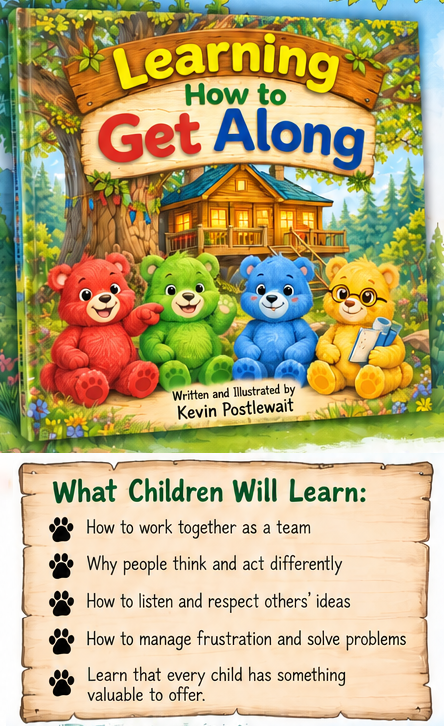
Recognizing High Traits in Children
Applying MBS at Home
Every child has a distinct temperament. Unlike adults, young children can’t complete the MBS Survey because they don’t yet understand the meaning of the words. That means we can’t simply run a Profile Report — we have to observe their natural behavior.
Fortunately, children make this easier than adults. Kids play very few “roles.” A four‑year‑old who talks constantly doesn’t suddenly become quiet in another setting. A child who resists being rushed will resist it everywhere. Their temperament shows up clearly and consistently — if you know what to look for.
Below are common signs of each High Trait in children, followed by guidance on how to communicate with them in ways that fit their wiring.

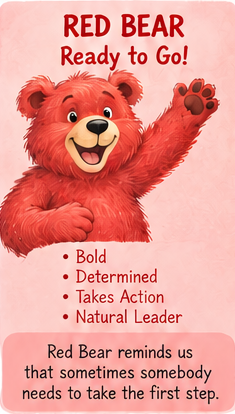
High D Children (Directness)
How they show it:
- They get straight to the point and say what’s on their mind.
- They take charge when playing with other kids.
- They are competitive and want to keep score.
- They can be stubborn — sometimes frequently.
How to support them:
- Let them participate in decisions.
- Be direct and candid.
- Avoid constant nagging; instead, clearly state expectations and consequences.
- Give choices whenever possible — autonomy matters to them.
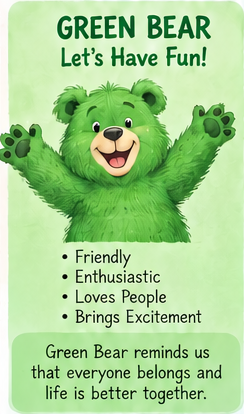
High E Children (Extroversion)
How they show it:
- They are talkative and often loud.
- They love physical affection — hugs, holding hands, sitting close.
- They call you back to their room to say goodnight again.
- They are sensitive to criticism and to what others (especially parents) think of them.
How to support them:
- Be intentional and make time to interact with them.
- Express affection clearly — they need to hear that they’re loved.
- Offer reassurance when they feel embarrassed or corrected.
- Keep communication warm and encouraging.
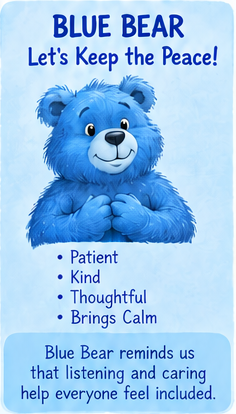
High P Children (Pace)
How they show it:
- They resist being rushed — dressing, cleaning up, homework, transitions.
- They want to know when things will happen.
- They share easily and avoid conflict… up to a point.
- They move through tasks slowly, steadily, and calmly.
How to support them:
- Avoid sudden demands like “We’re leaving now.”
- Give advance notice and time to prepare.
- Maintain harmony — conflict feels overwhelming to them.
- Talk through disagreements gently and calmly.
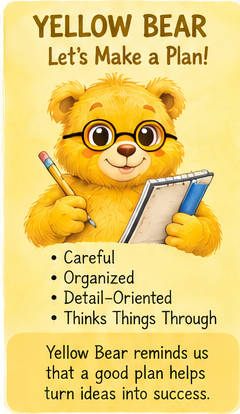
High S Children (Structure)
How they show it:
- They ask “Why?” — often repeatedly.
- They are sensitive to criticism and to changes in their routine.
- They are careful and precise with coloring, schoolwork, and tasks.
- They can be stubborn when something feels “wrong” or unexpected.
How to support them:
- Answer their “Why?” questions thoroughly — they need understanding, not dismissal.
- Prepare them for changes (moves, new siblings, loss of a pet).
- Praise and correct them specifically — explain rather than yell.
- Provide predictability and clear expectations.
and … Applying MBS at School
It also matters in school. Sometimes a child struggles not because of ability, but because the teaching style clashes with their temperament:
- High D child with a rigid, controlling environment
- High E child with minimal interaction or warmth
- High P child in a fast‑paced classroom
- High S child with a chaotic teacher
Understanding your child’s temperament is only step one. The real value comes from adjusting how you communicate:
- High D → autonomy and choices
- High E → connection and affirmation
- High P → time and calm transitions
- High S → clarity and predictability
This approach reduces conflict, builds trust, and helps children feel understood.
When you understand your child’s temperament, you can advocate more effectively for their needs.